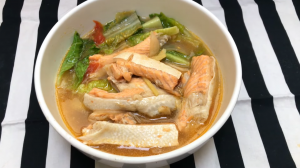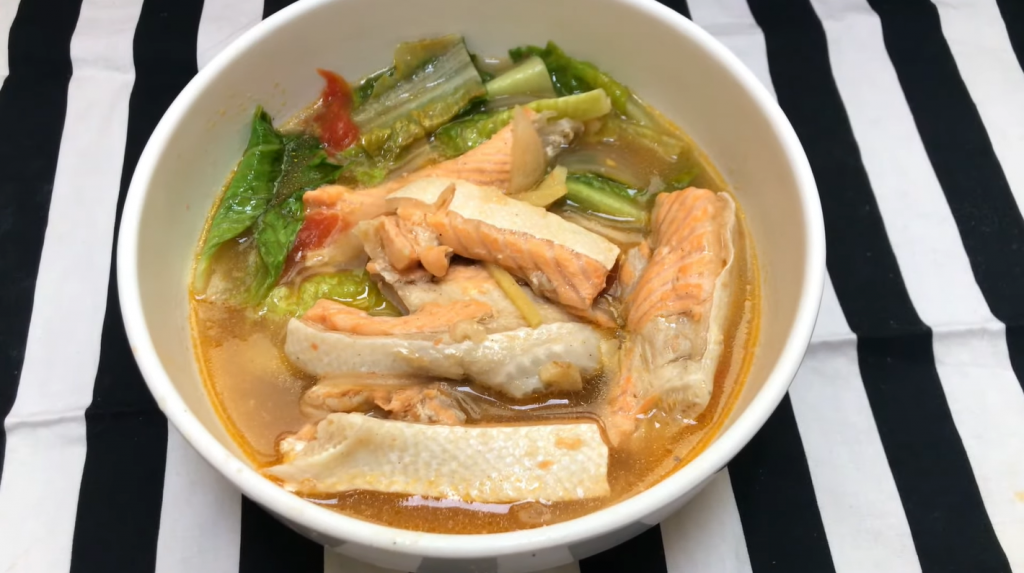
Take some rich salmon belly and turn it into this sweet and sour soup inspired by the Philippines. This dish is definitely healthy and hearty.
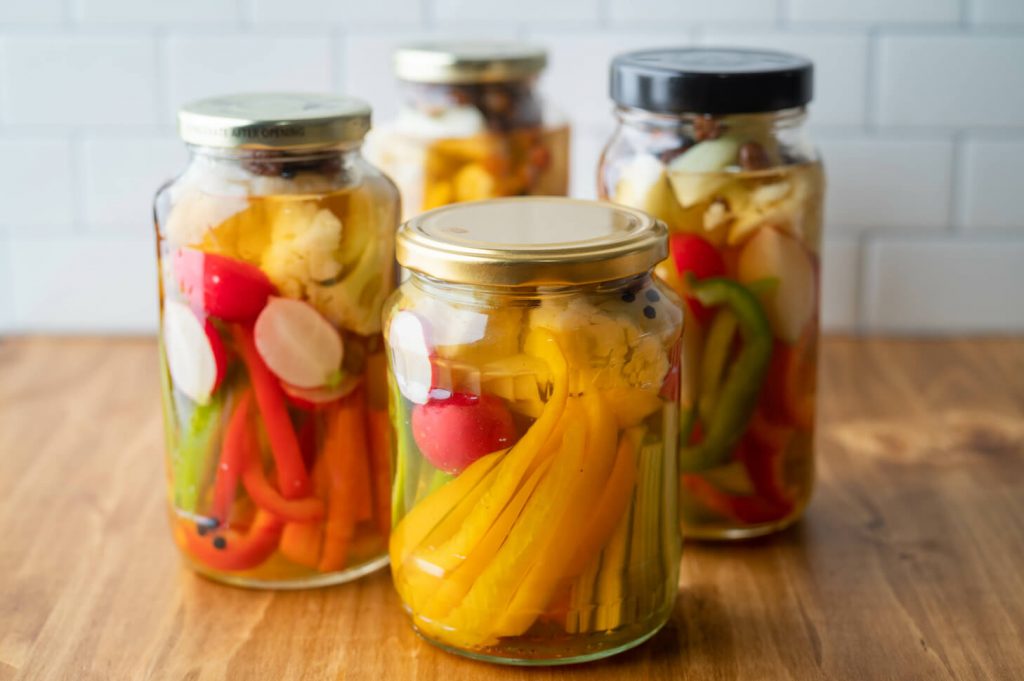
Give your pickled vegetables an Asian flair with this recipe that uses thinly shaved vegetables submerged in rice wine vinegar.
Read More
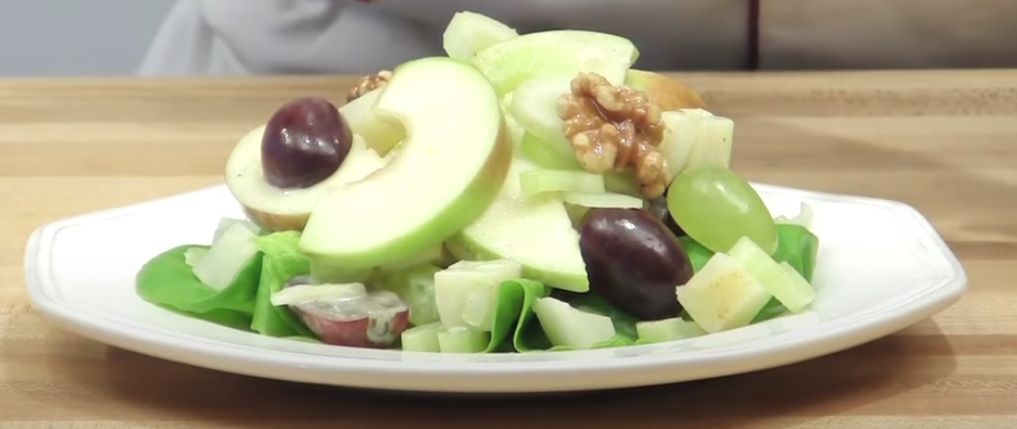
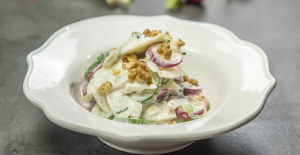
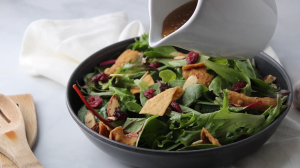
Freshness and zestiness are the highlights of this waldorf salad. It has lemon-walnut vinaigrette that makes it lighter and healthier as well.
Read More
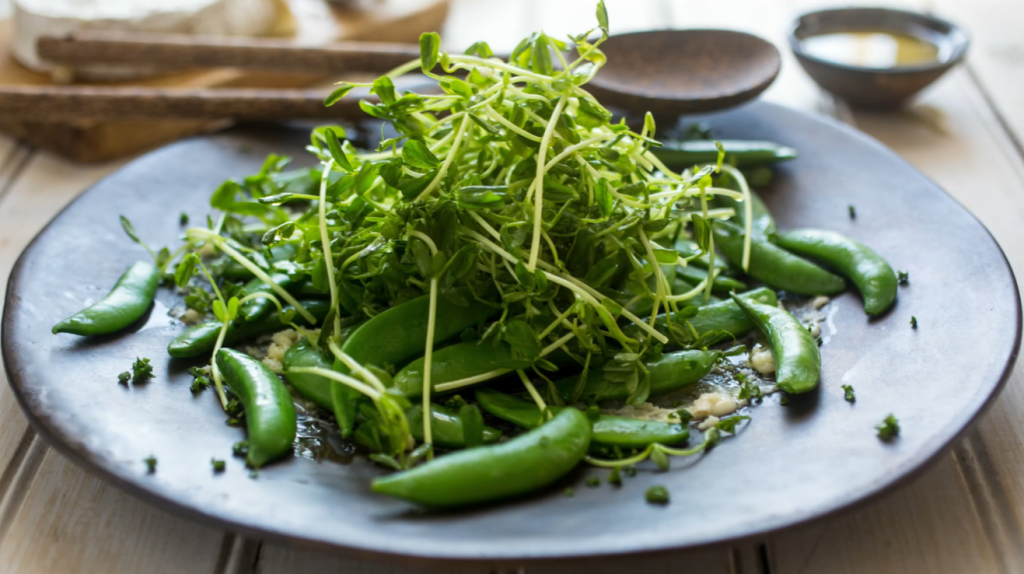
Crunchy sugar snap peas, walnuts, and spicy radishes are tossed in tangy lemon-dill vinaigrette to yield a fresh and crisp sugar snap pea salad!
Read More
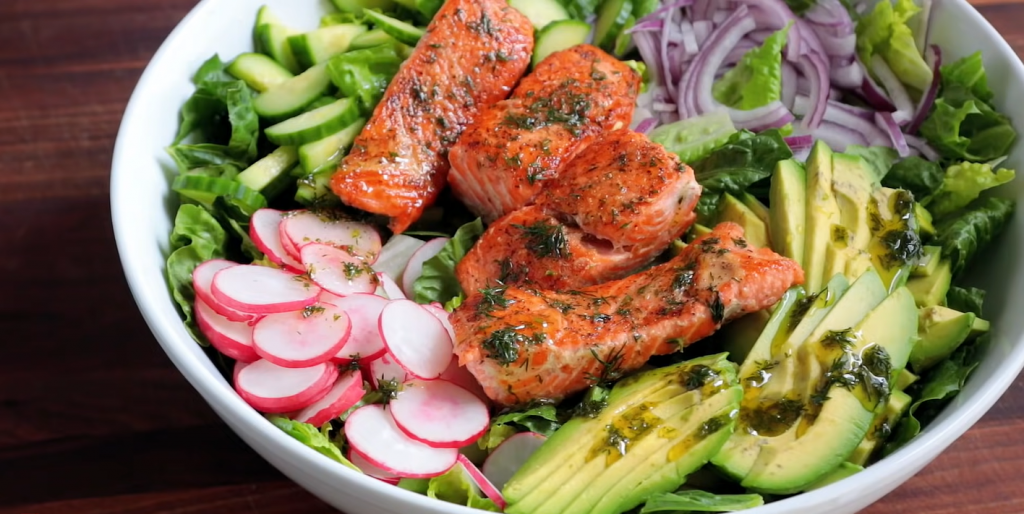
Flaky and tender smoked salmon is served over a bed of crispy radish salad, tossed in a tangy-cream dressing, to yield a delightful lunch meal!
Read More
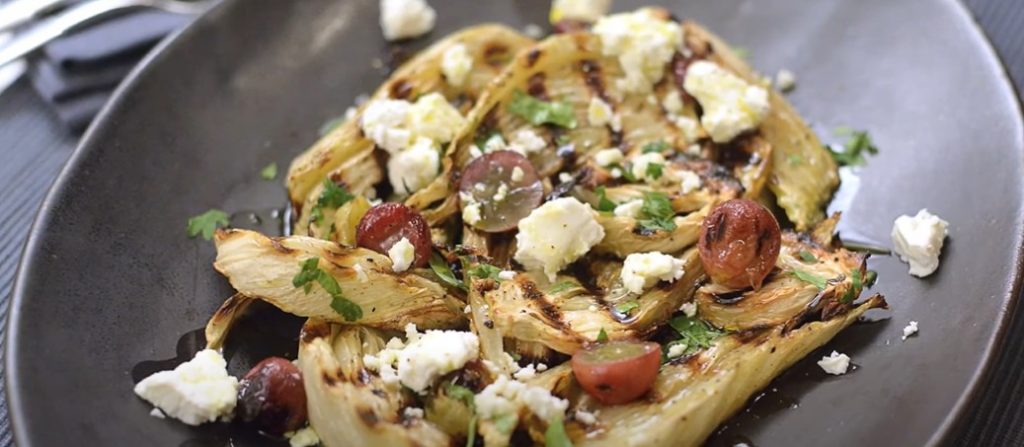
Nutty and spicy bitter greens, sweet fennel, and crunchy radicchio are tossed in a honey-red wine vinegar dressing to yield a tasteful bitter greens salad!
Read More

Indulge yourself with a hearty dinner meal of this mouthwatering roasted sirloin steak, topped with a spicy and pepper radish relish!
Read More
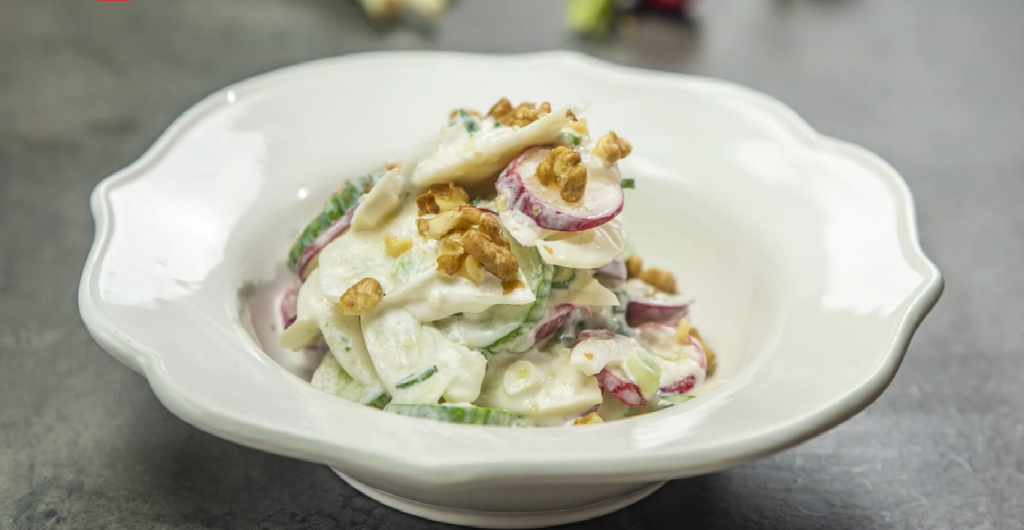
There are a lot of textures in this bread salad recipe. The crisp pita bread, the crunch of the radish and fennel, and the soft prosciutto.
Read More

Buttery French baguette topped with crispy radishes, chives, and sea salt flakes, makes this dish a delightfully tasteful appetizer before any meal!
Read More

Succulent, juicy, and mouthwatering, are just some of the ways to describe this super easy instant pot carnitas. Serve on tacos or nachos.
Read More
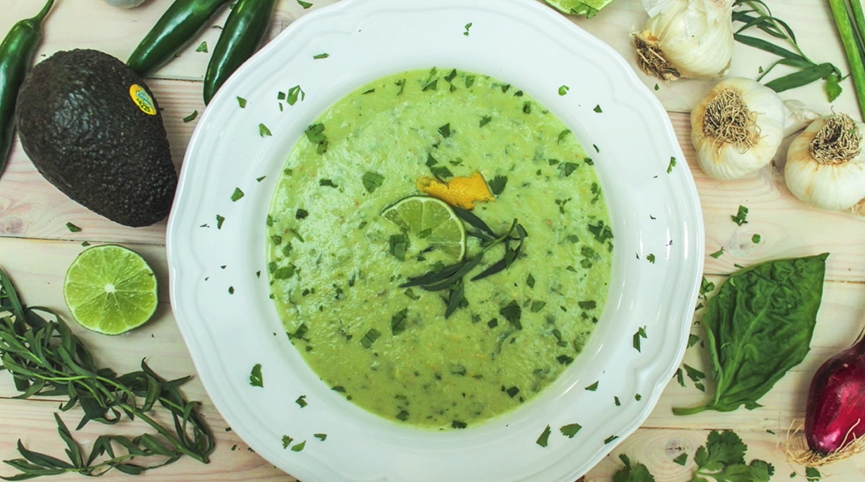
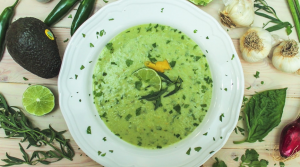
Gazpacho has a refreshing taste that’s great for cooling down on hot summer nights. This recipe has avocado and corn which makes for a hearty meal.
Read More

These grilled fish tacos are undoubtedly very good. It even has a fruity salsa that will surely remind you of a warm summer day.
Read More
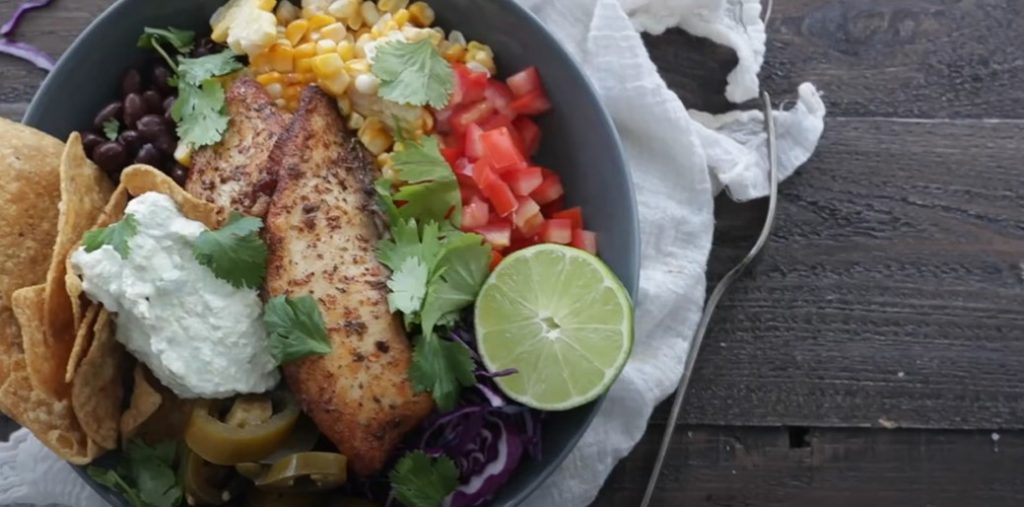
This fish taco salad recipe takes your regular fish tacos and combines them with salad ingredients for a wonderfully refreshing appetizer.
Read More
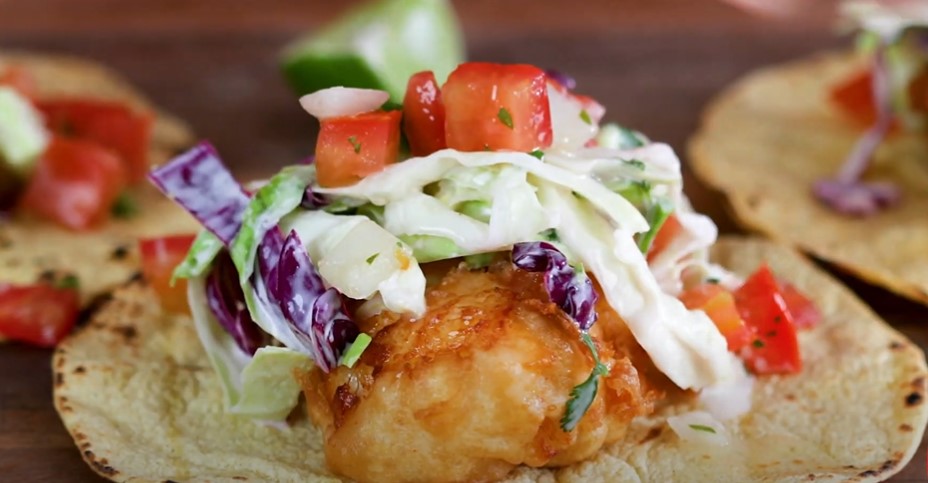
These fish tacos have such a well-rounded flavor profile. It’s got spice from the fish which notably complements the sweet and sour cabbage slaw.
Read More

Chicken is transformed into spicy and savory taco meat in less than an hour in the pressure cooker. Spice rub and pineapple juice are added for flavor.
Read More
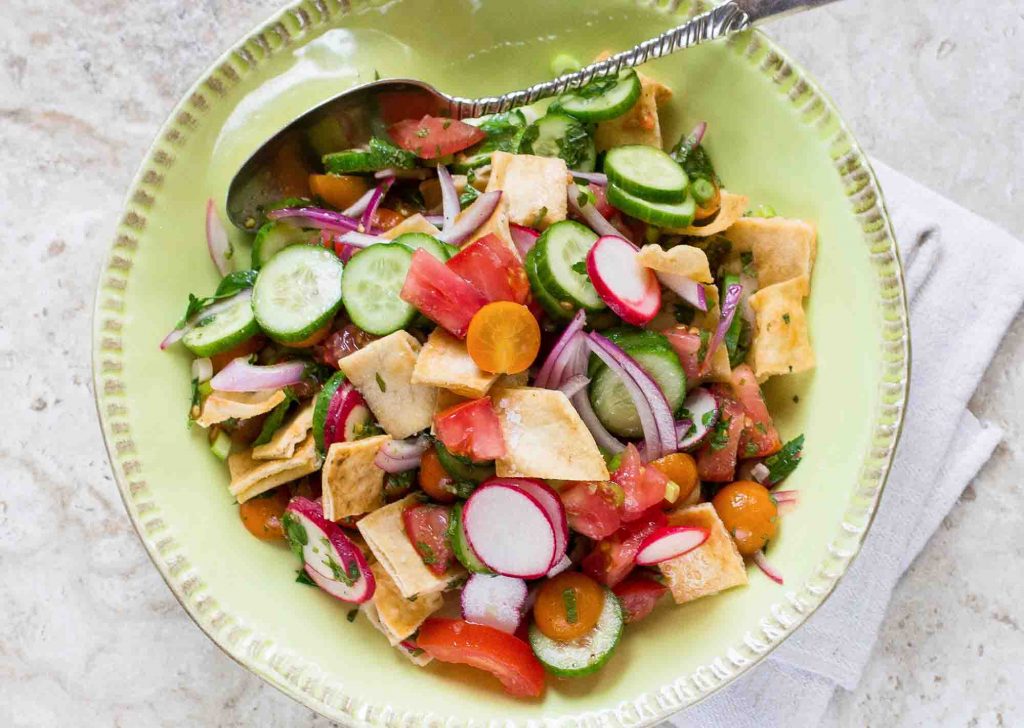
Made of crispy pita chips, fresh vegetables, and tangy salad dressing; this fattoush bread salad will give you a taste of a Middle Eastern dish.
Read More
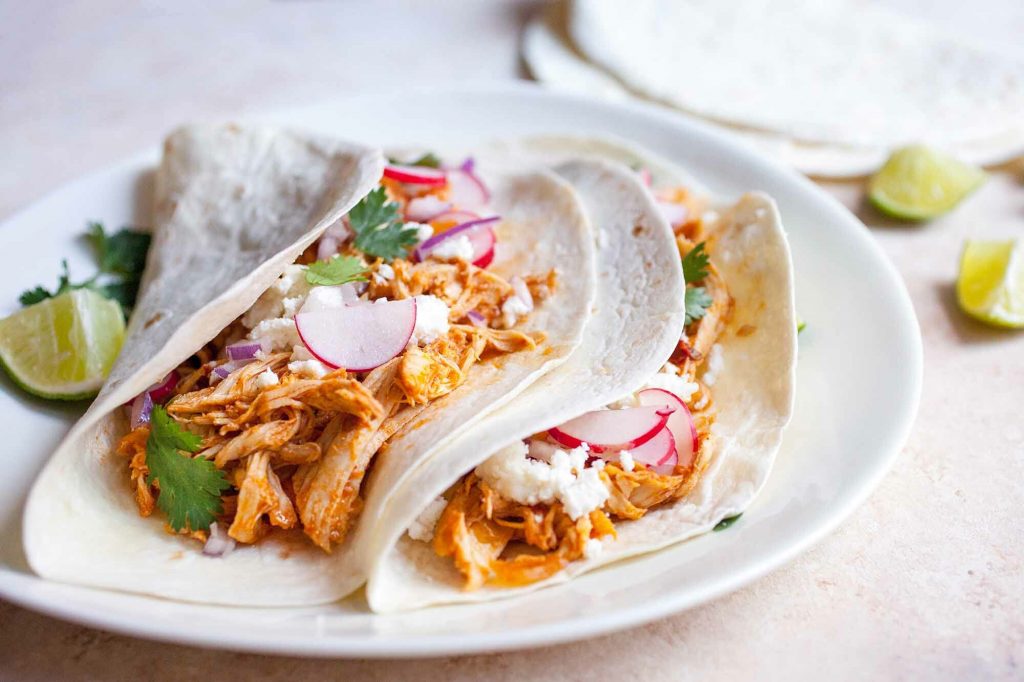
Made with juicy shredded chicken, spicy chipotle peppers, and sweet honey, this slow cooker chicken tacos is a wonderful dish for every meal.
Read More
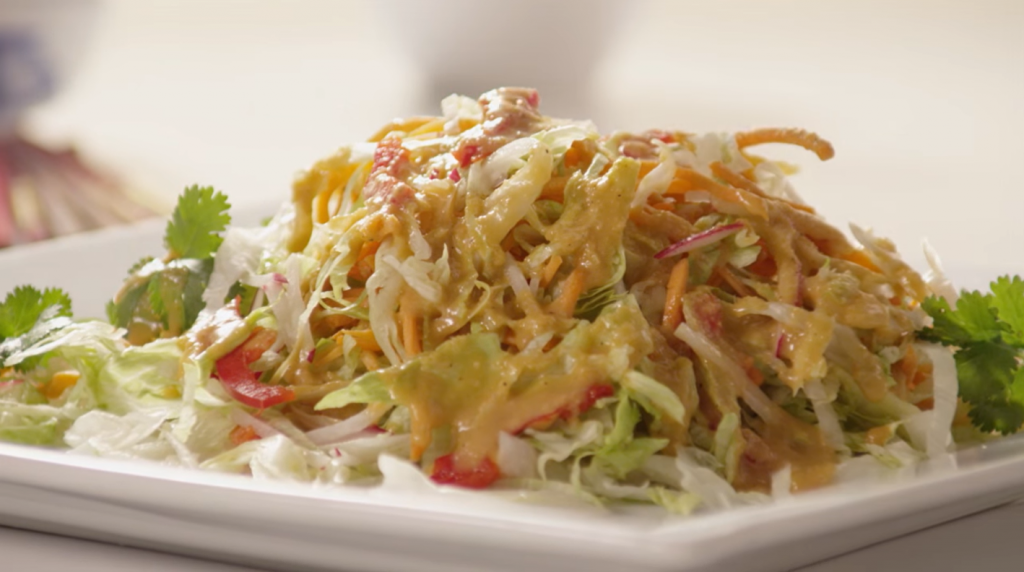
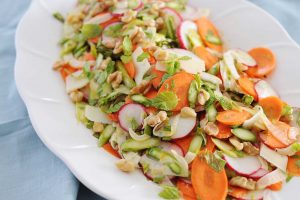
Simple and refreshing, this Asian coleslaw is tossed with cabbage, carrots, and radish in a slightly sweet lemon-infused miso dressing.
Read More
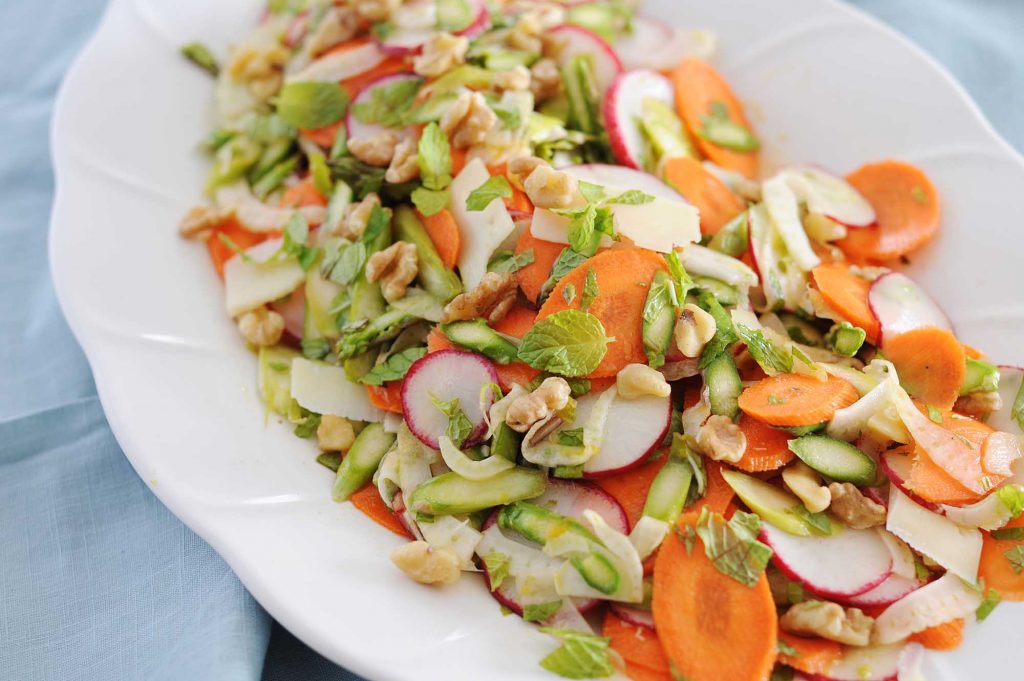
This dish mimics the freshness of spring. Spring vegetable salad is made of thinly sliced vegetables drizzled with a light citrusy dressing.
Read More

In just over 30 minutes, you can prep & cook these chicken tacos. They're flavored with a variety of spices and brightened up with some orange zest & juice.
Read More
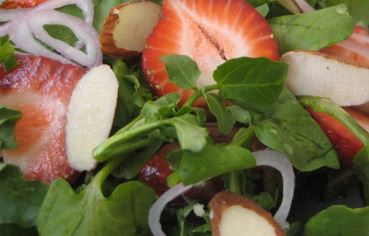
Spring eating has never tasted as fresh and good as this watercress salad with cucumbers, radish, strawberries, and feta tossed in a champagne vinaigrette.
Read More
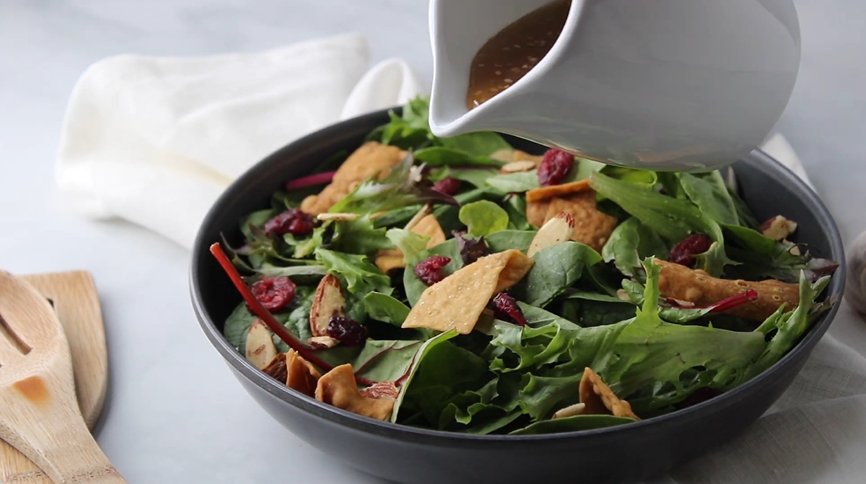
Dressed in an Asian-inspired vinaigrette with miso and rice vinegar, this steak salad is a quick and easy meal with some fresh greens, radish, and carrot.
Read More
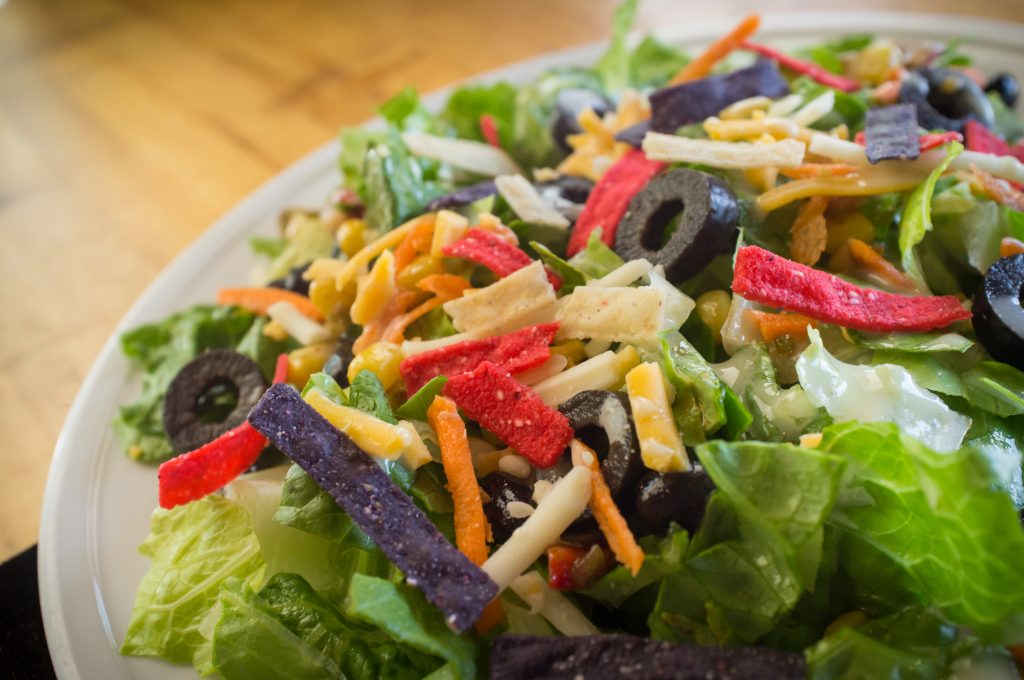
Savory, spicy and fresh, this taco salad has a hefty portion of turkey, beans, and corn all served with lettuce, avocado, and sour cream.
Read More
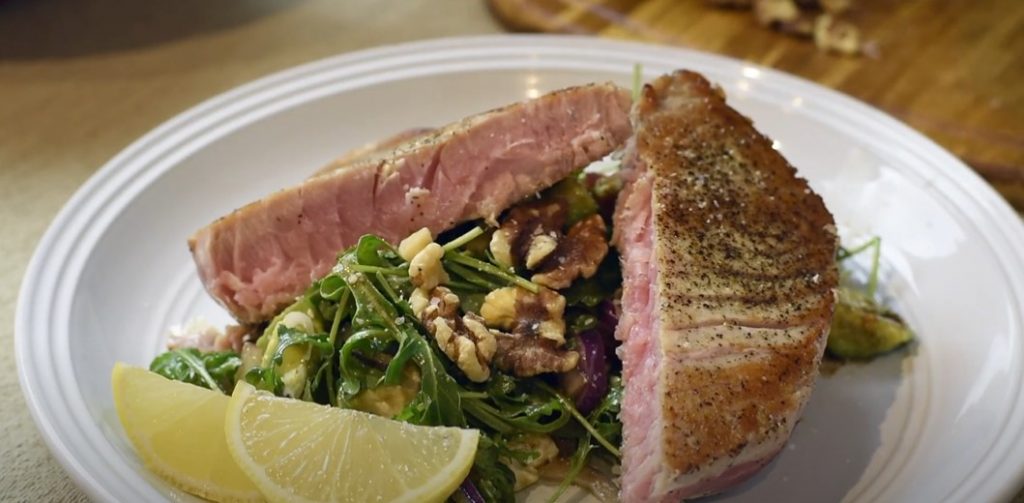
Have a serving of this tasty and filling radish salad tossed together with juicy seared-tuna and lettuce, all drizzled with a zesty vinaigrette!
Read More
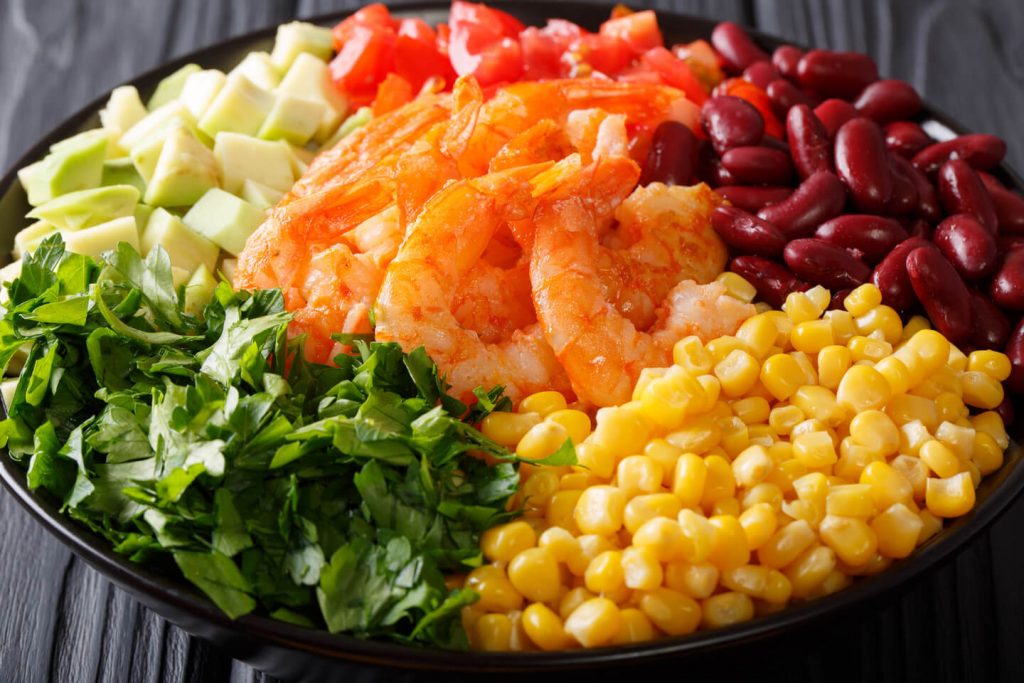
This Grilled Shrimp Taco Bowl brings together the flavors of grilled and well-seasoned shrimp with taco fixings drizzled with cilantro dressing in one bowl!
Read More
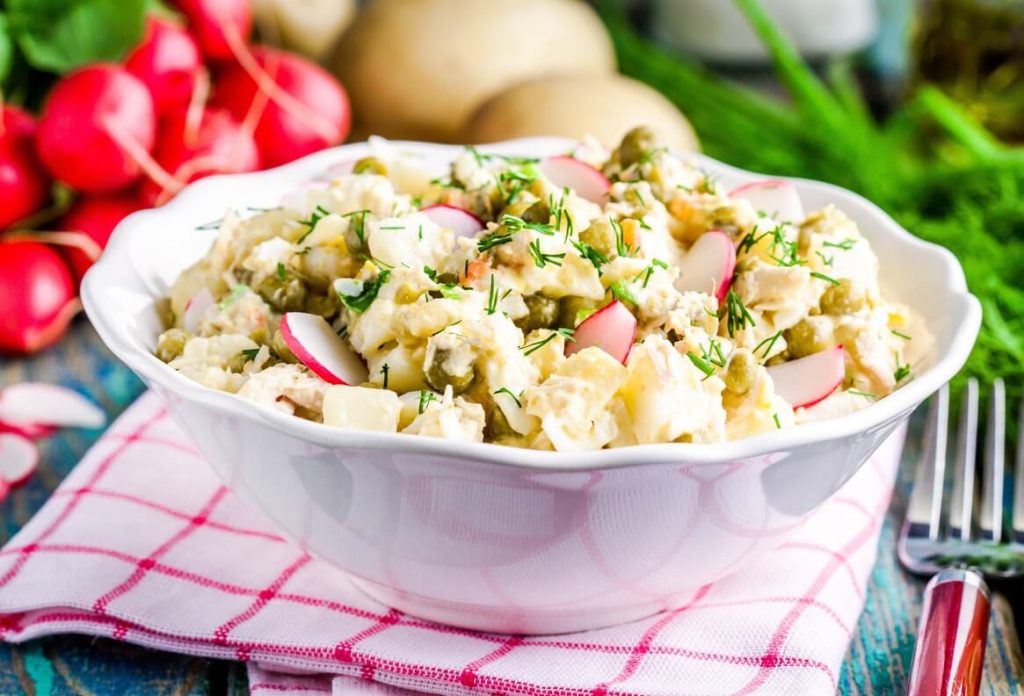
This potato salad is an easy-to-make, flavorful side, cooked with tender potatoes and radishes, all tossed in a zesty red wine-mustard dressing!
Read More
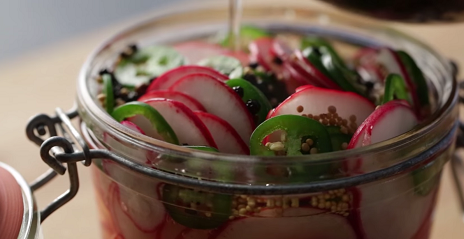
A combination of sweet, spicy, and deeply sour taste is experienced with these pickled radishes. Honey and apple cider vinegar providing the right balance.
Read More
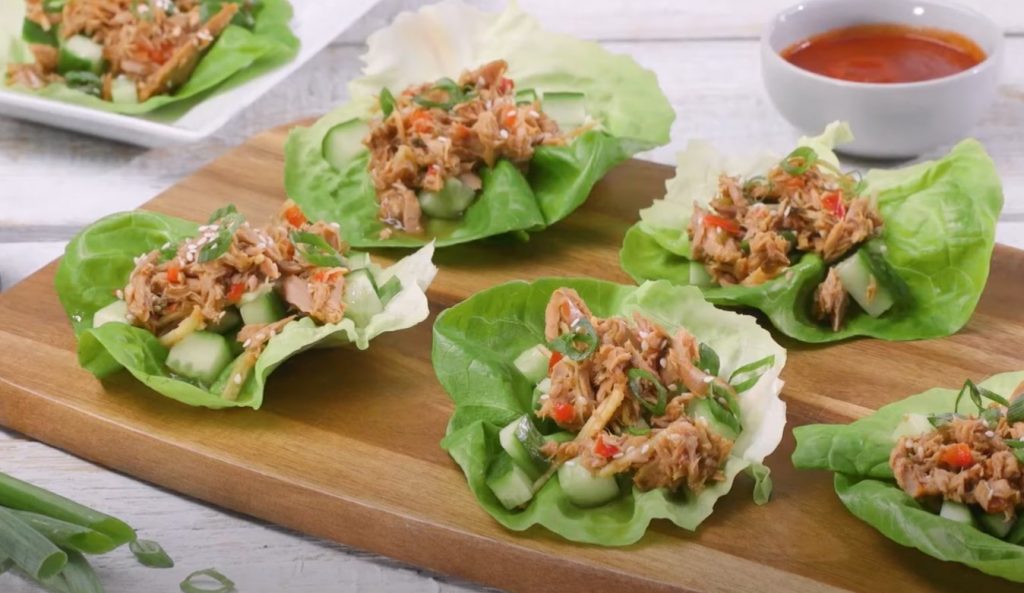
Treat your taste buds with a tangy and creamy tuna salad in crunchy lettuce cups, packed with sweet and pepper watermelon radish, for a healthier meal!
Read More
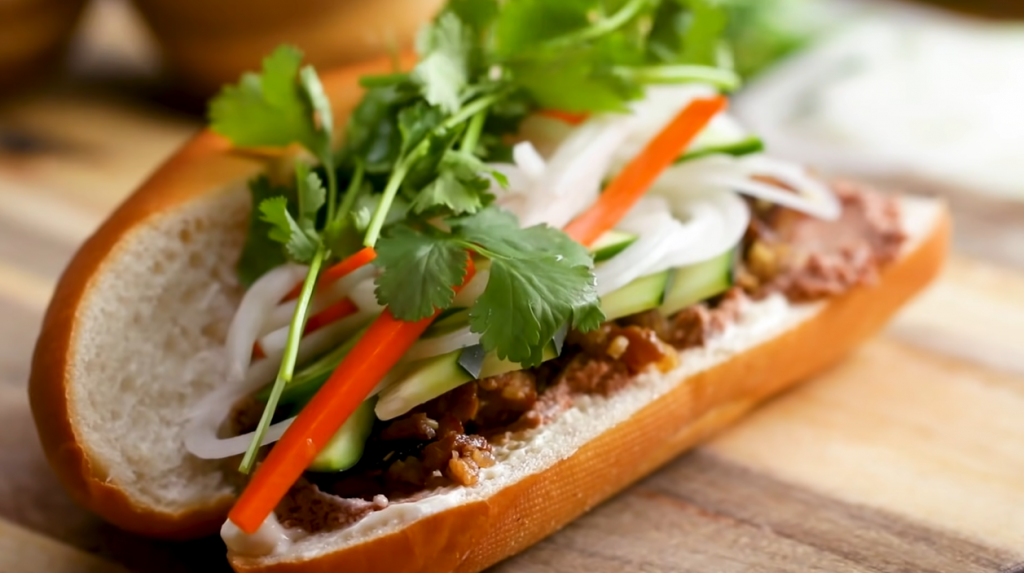
Make a Vietnamese favorite right at your kitchen with our pork bánh mì recipe. Pork slices marinated with lemongrass and grilled serve as filling.
Read More
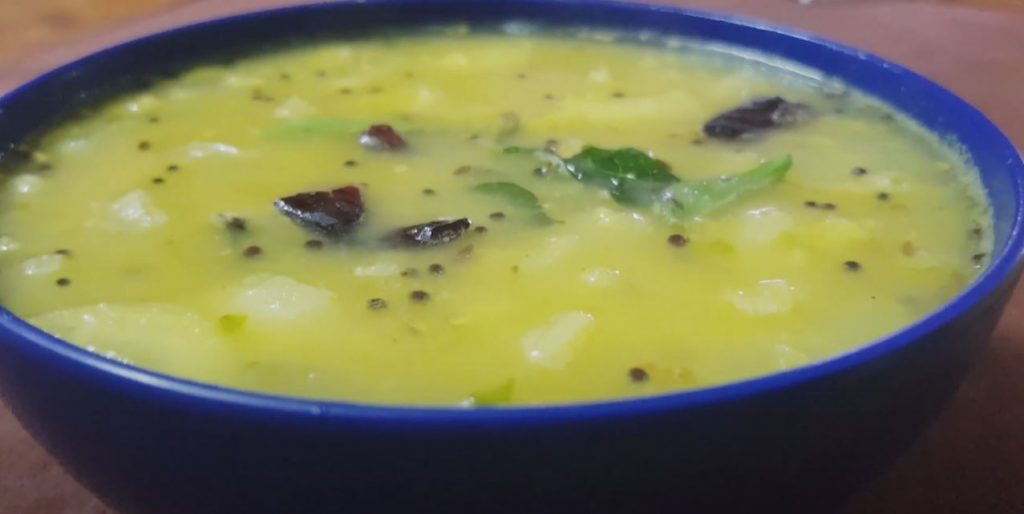
Make a warm bowl of this mullangi rasam that brims with a blend of spicy and tangy flavors. It’s packed with shallots, tomatoes, finished with cilantro.
Read More